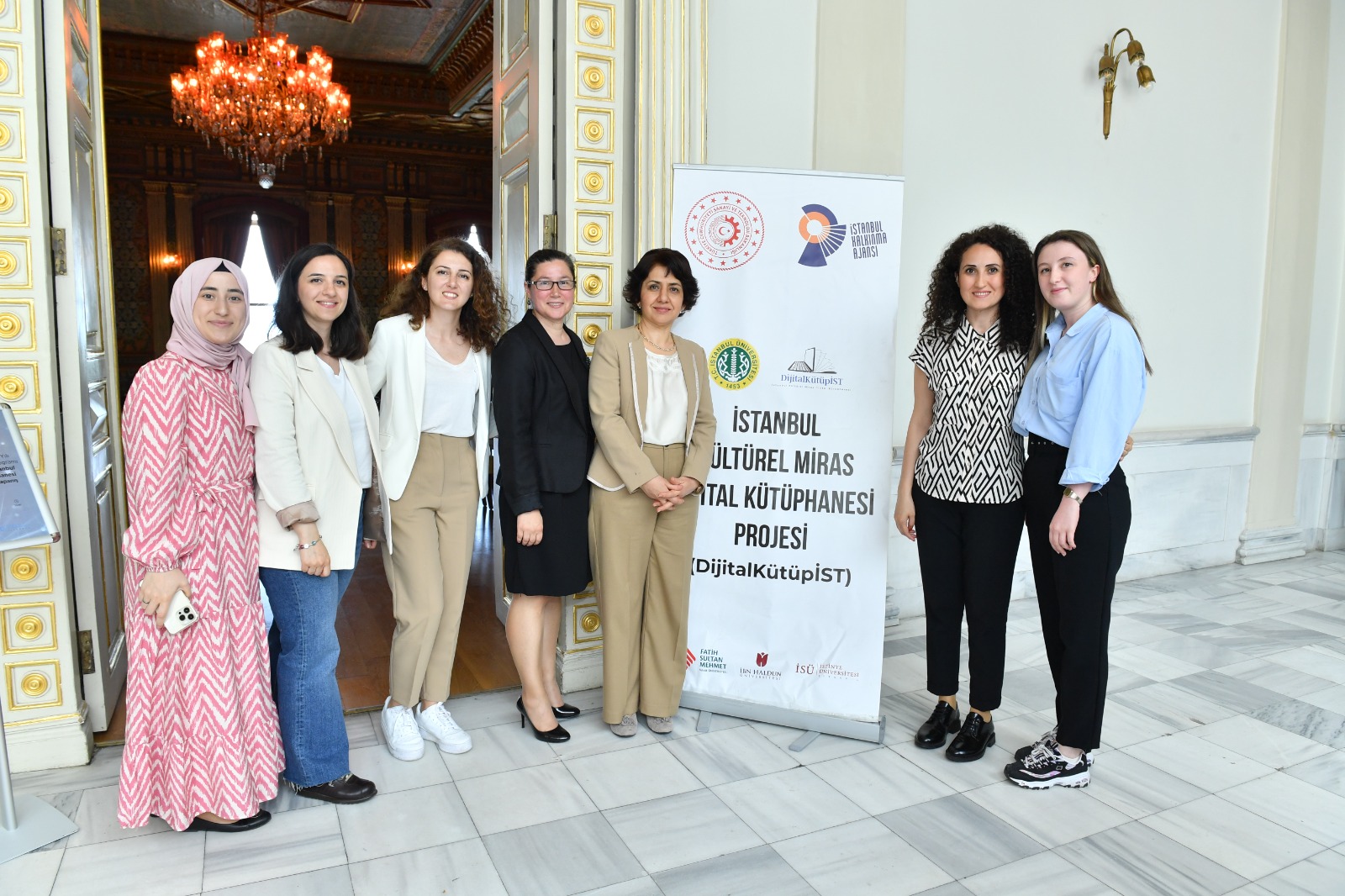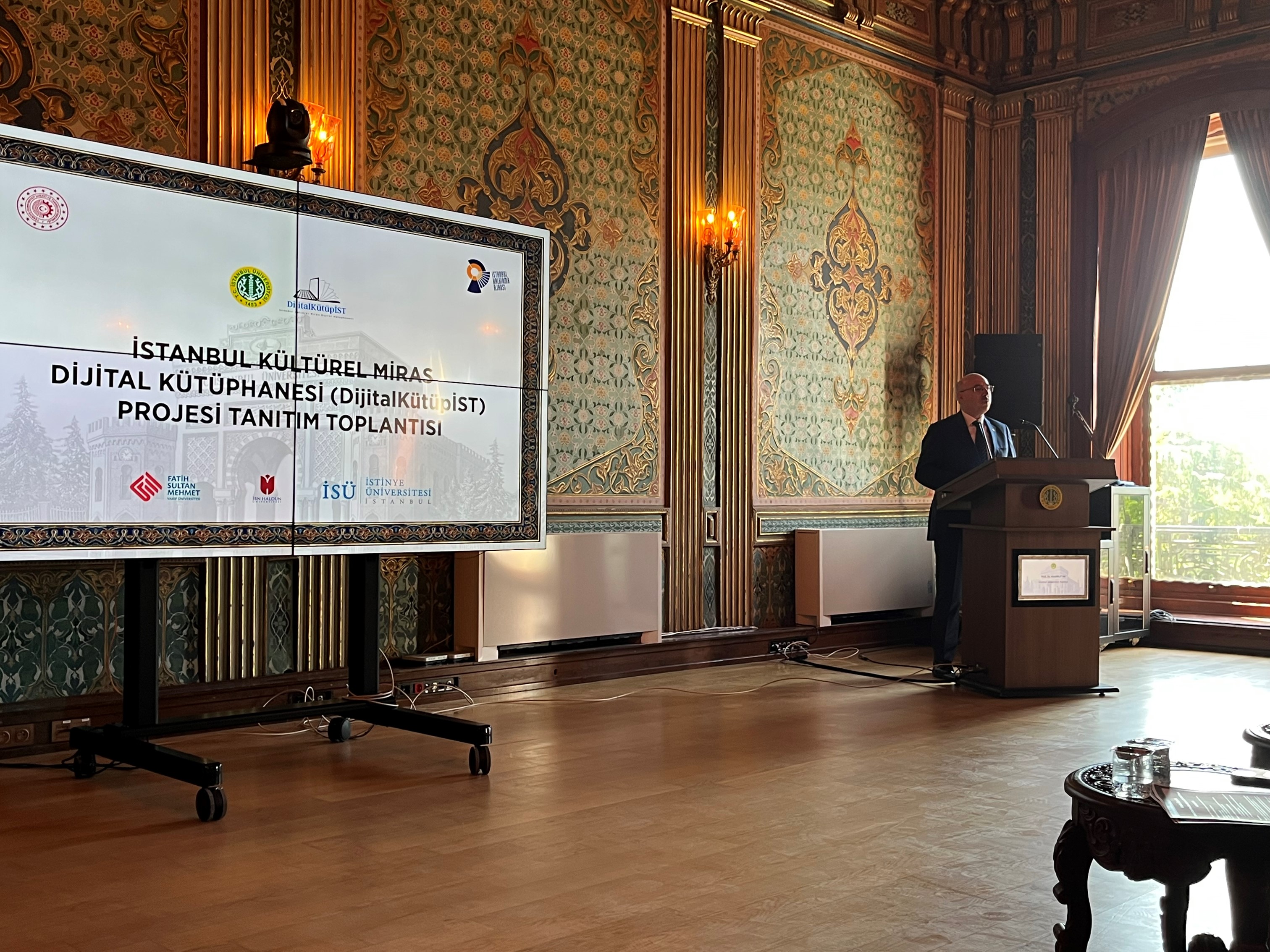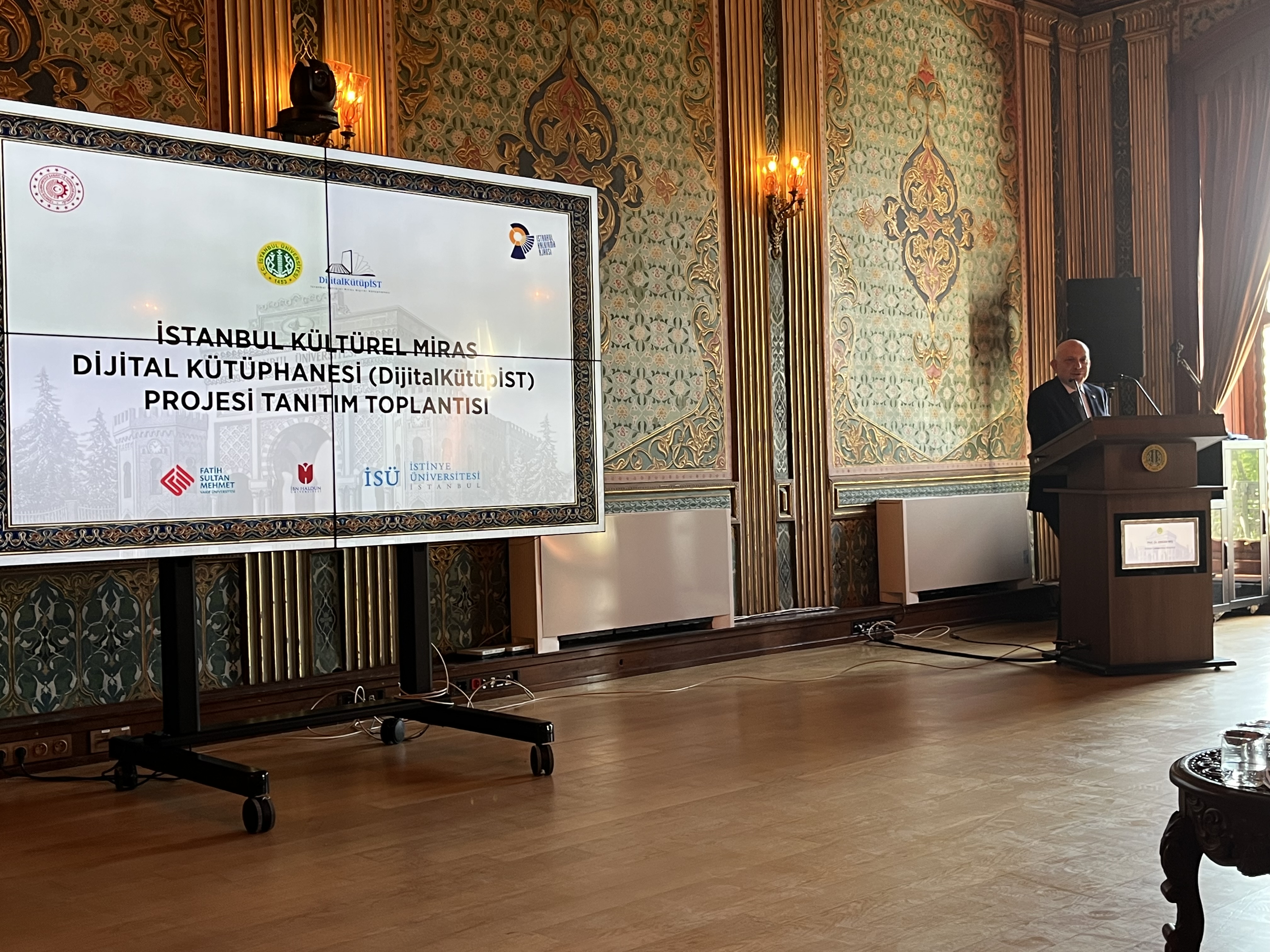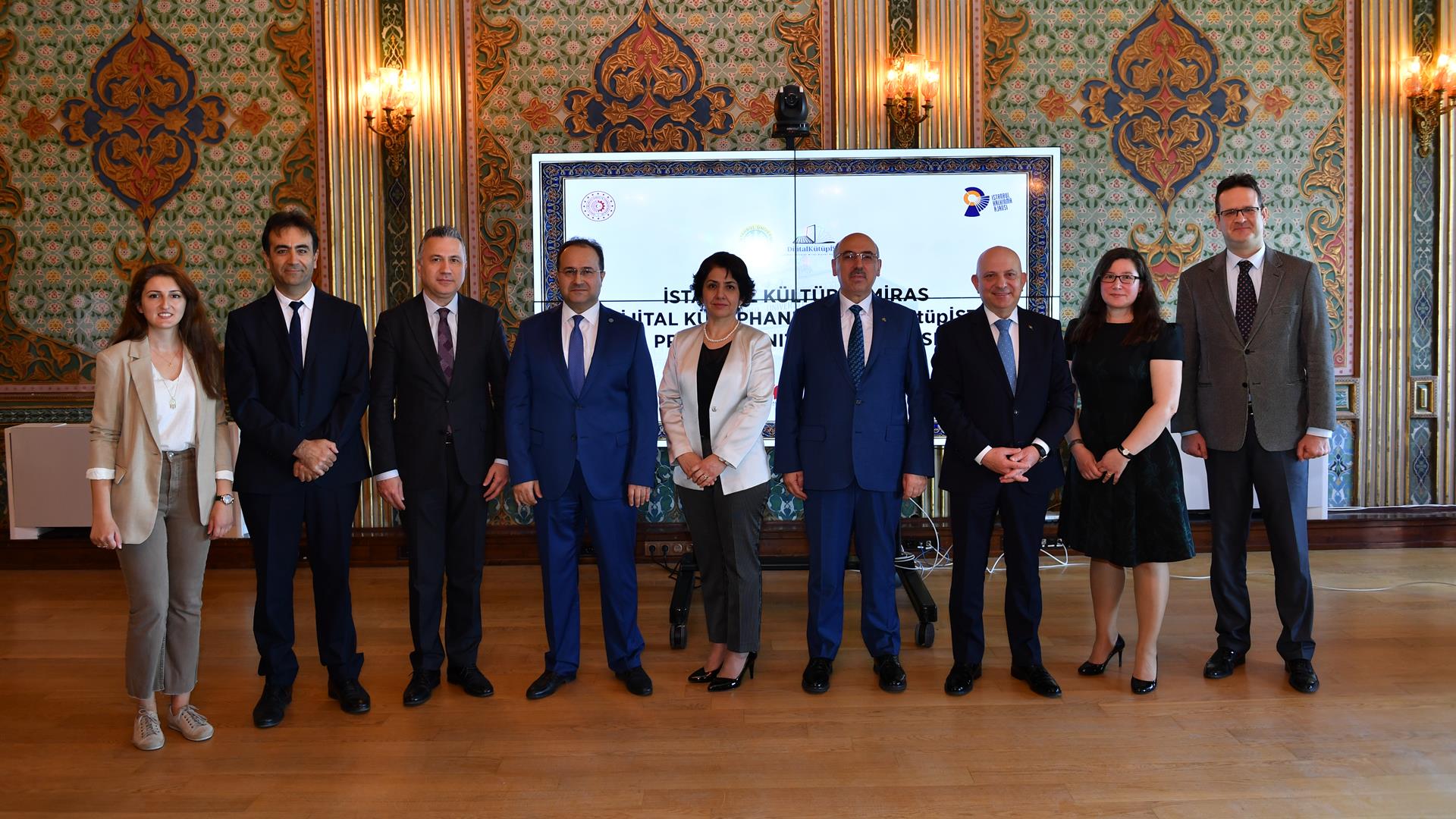
Istanbul Cultural Heritage Digital Library (DijitalKutupIST)
ISTKA PROJECT
(TR10/21/YEP/051)
The management of cultural heritage has historically been one of the important issues for societies. In this context, identifying the cultural values owned by societies, preserving these values, processing them for transfer to future generations, and ensuring their accessibility have created a field of study that concerns multiple disciplines. As a result of the harmonious collaboration of librarians, rare works specialists, book conservation and restoration experts, linguists, and information technology specialists, many cultural assets are brought to light and made accessible. In the International Cultural Tourism Charter published in 1999, the International Council on Monuments and Sites defined cultural heritage as an expression of the ways of life developed and passed from generation to generation by a society, consisting of experiences, traditions, places, objects, artistic expressions, and values. Cultural heritage is also an element that reflects the common past of a society, strengthens feelings of solidarity and unity by showing commonalities and differences, ensures the continuity of historical accumulation, and offers new opportunities for learning. These characteristics attributed to cultural heritage increase the social functions of libraries, archives, and museums, which are institutions that collect and process cultural heritage products. In order to meet changing user expectations along with technological developments, these institutions are improving their infrastructure and offering new services. One of these services, digitization and digital collections, provides significant advantages to cultural memory institutions in presenting cultural heritage products.
Our country, which is extremely important in terms of cultural and natural assets, has a rich and vast cultural potential. The rare works in our country are treasures. Making these works accessible through a single interface is of great importance both for our country and for the world.
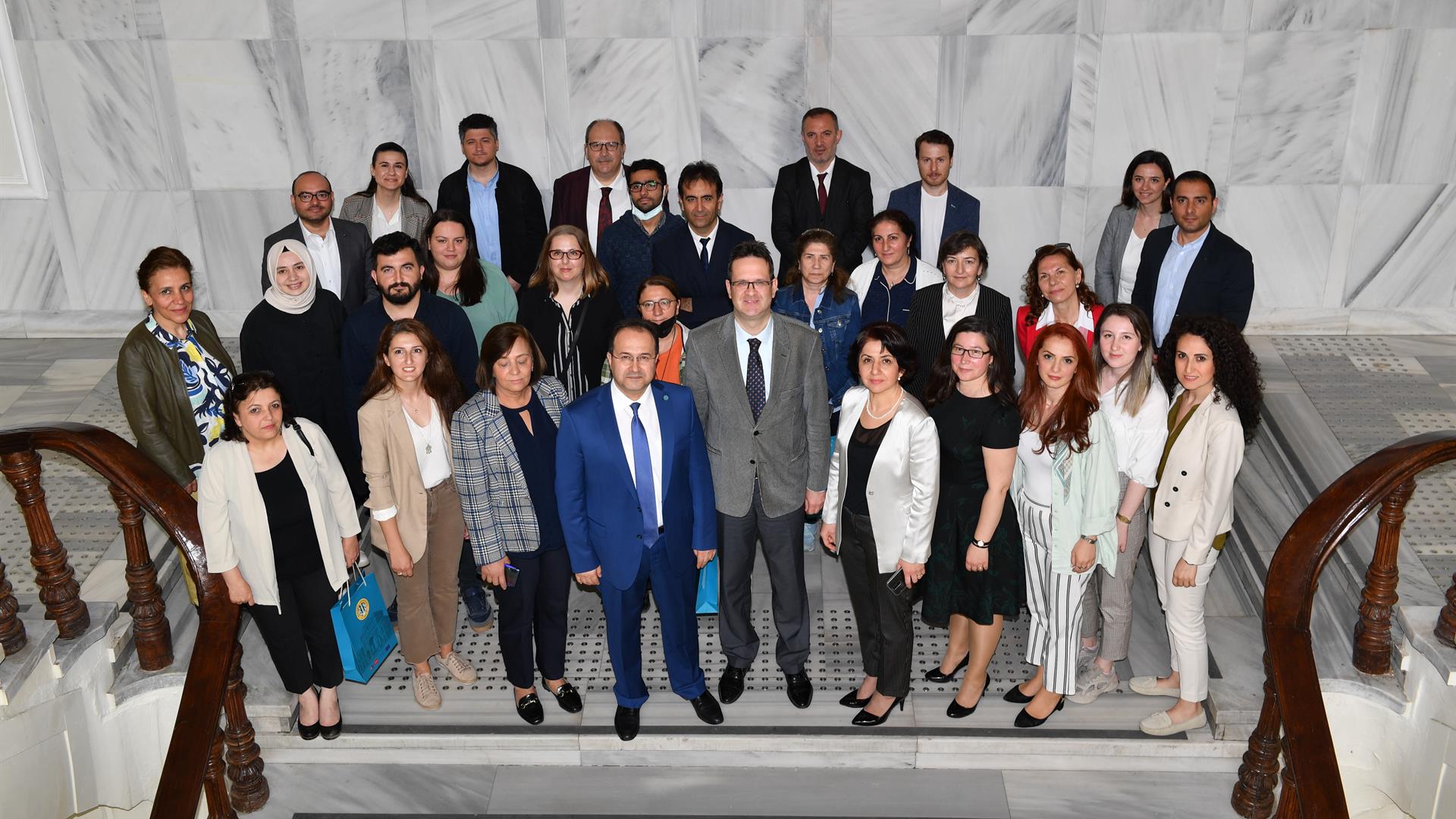
The project was initially launched with 4 partner universities and was designed so that the number of partners and stakeholders could be increased in the following stages.
Project Partners: Istanbul University, Istinye University, Ibn Haldun University, Fatih Sultan Mehmet Vakif University
Within the scope of the Istanbul Cultural Heritage Digital Library project of the Istanbul Development Agency’s “Innovative Istanbul Financial Support Program” numbered TR10/21/YEP/051, approximately:
Catalog records of 35,000 rare works with cultural heritage value are to be prepared in accordance with international librarianship standards.
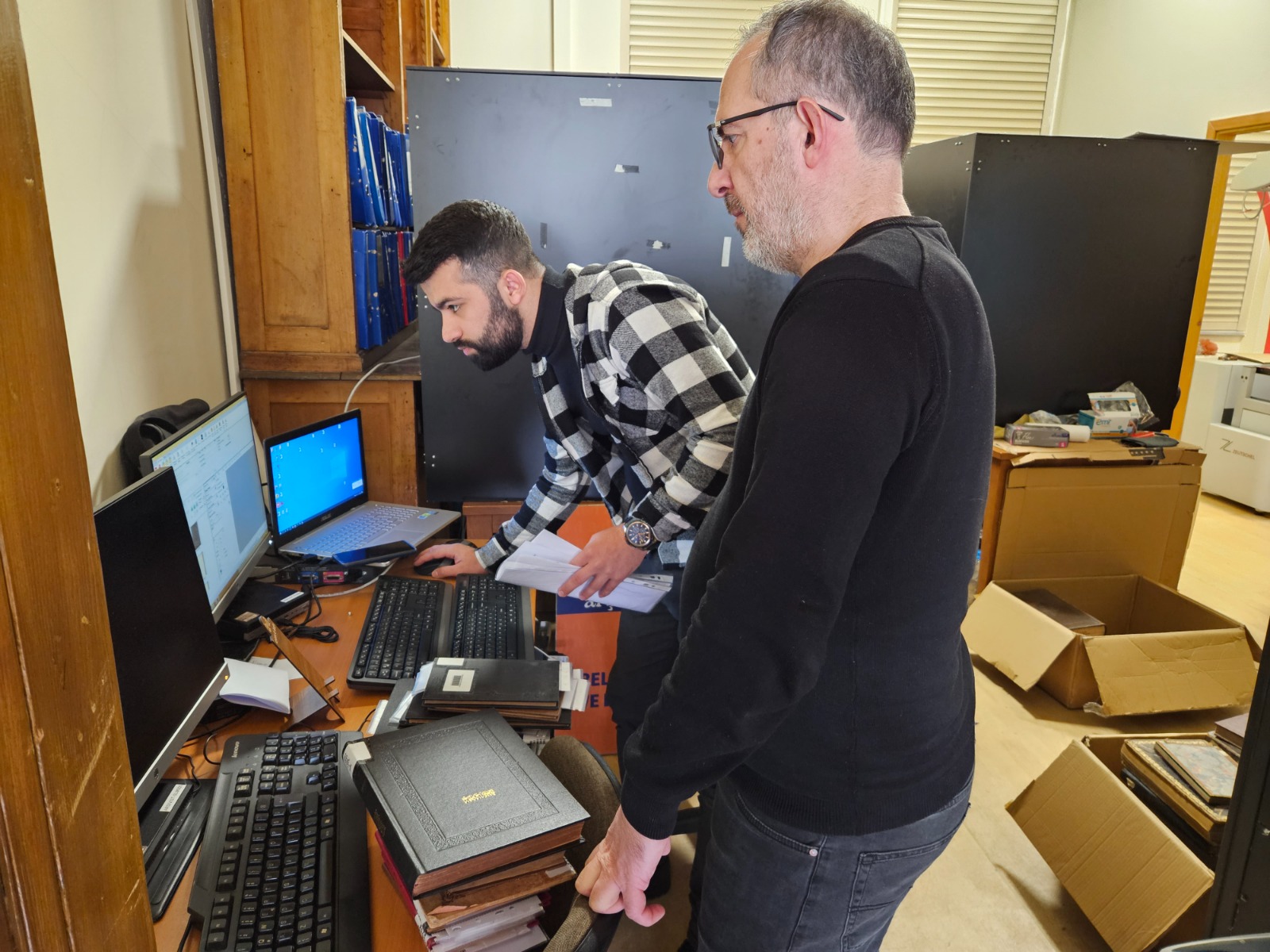
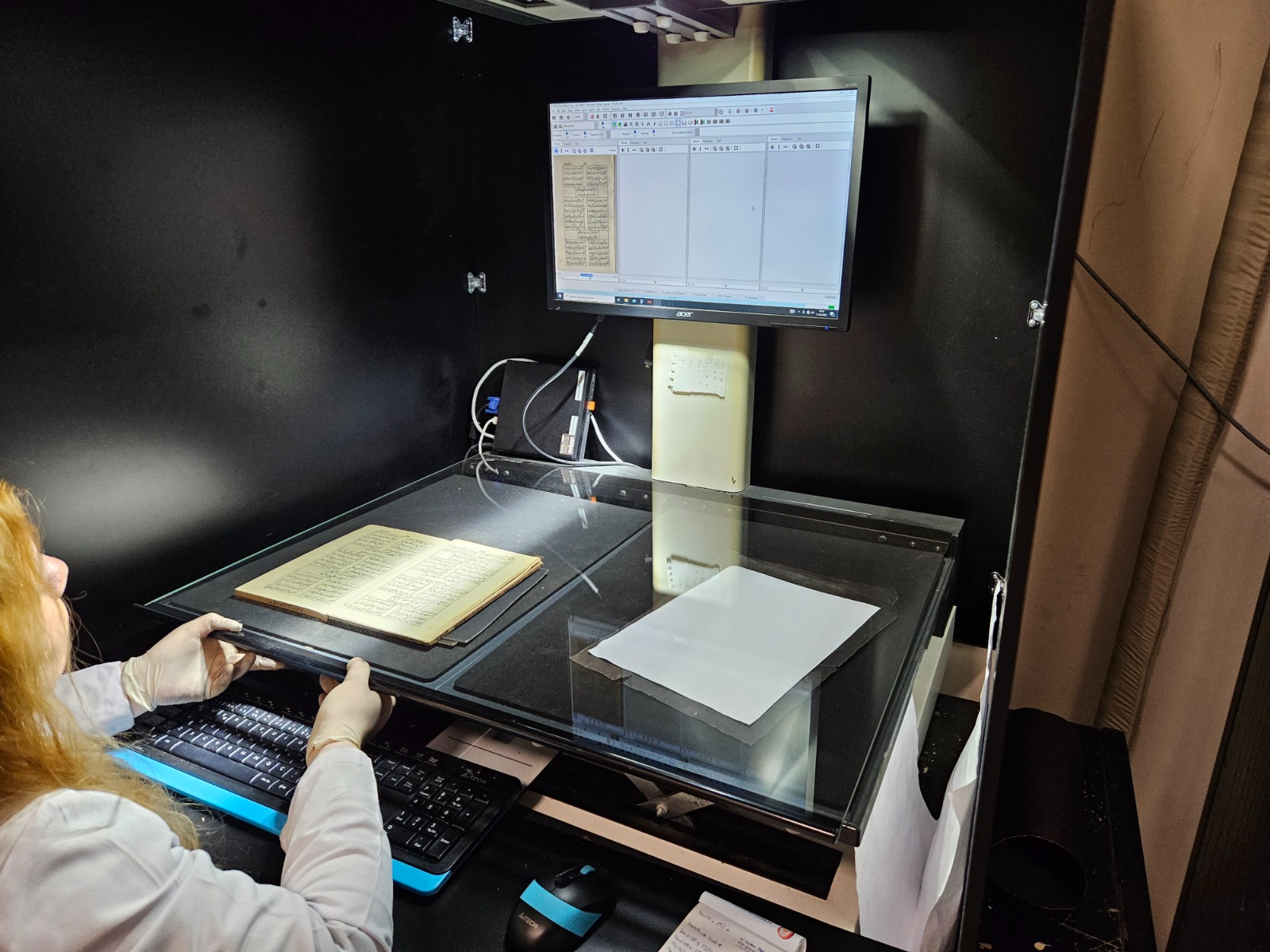
Approximately 700,000 images pages belonging to these works are to be digitized by scanner.
A new automation and digital content scanning system and software development have been planned.
Targeted Project Outputs:
Cultural heritage being easily accessible to researchers regardless of time and place,
Contributing to the growth of the national digital cultural heritage collection by increasing the number of digitized works with cultural heritage value in Istanbul libraries,
Creating contribution and convenience effects for education and scientific studies in different disciplines,
Preserving the cultural heritage value of the works, creating digital access to them, and transferring them to future generations,
Offering researchers the opportunity to read, interpret, and identify the social, cultural, economic, and political history of past periods through various collections with cultural heritage value,
Serving as an example for digital resources institutionally produced in our country that can be evaluated within the framework of cultural heritage,
Sharing experience and establishing partnerships in digitization,
Providing digitization training within the scope of the project and increasing the number of qualified personnel in this field,
Contributing through the outputs of this project to the prestige and brand value of Istanbul University, the partner universities, and our country in national and international arenas,
Contributing to our country’s Digital Transformation Strategy,
Reaching wide audiences and raising awareness by presenting works opened to digital access through exhibitions, publications, documentaries, and similar activities in various concepts both domestically and internationally.
Core Features of the Shared Digital Platform:
The platform was created in a way that allows all institutions to enter their own data in the background in accordance with international standards.
In this way, institutions will be able to share the Cultural Heritage materials they hold through this common platform, while other institutions will be able to access the works on the platform and guide their digitization efforts more effectively without unnecessary loss of time and financial resources.
According to the Dublin Core standard, journals, photographs, newspapers, engravings, maps, calligraphy, books, articles, musical scores, theses, manuscripts, as well as audio, video, and formats such as PDF, JPEG, TIF, MP3, PNG, MOV, MP4, along with GIF, BMP, MPG, WMA, ASF, WAV, AVI, DOC, XLS, ZIP, and all similar formats can be uploaded to this platform.
The transfer of scanned works to the project is still ongoing.
Link to access the resources in the project: http://dijitalkutupist.istanbul.edu.tr
Social media accounts of the project:
Twitter: https://twitter.com/DijitalKutupIST/
Facebook: https://www.facebook.com/DijitalKutupIST
Instagram: https://www.instagram.com/dijitalkutupist/
Galeri